Bird Watching in Mgahinga Gorilla National Park

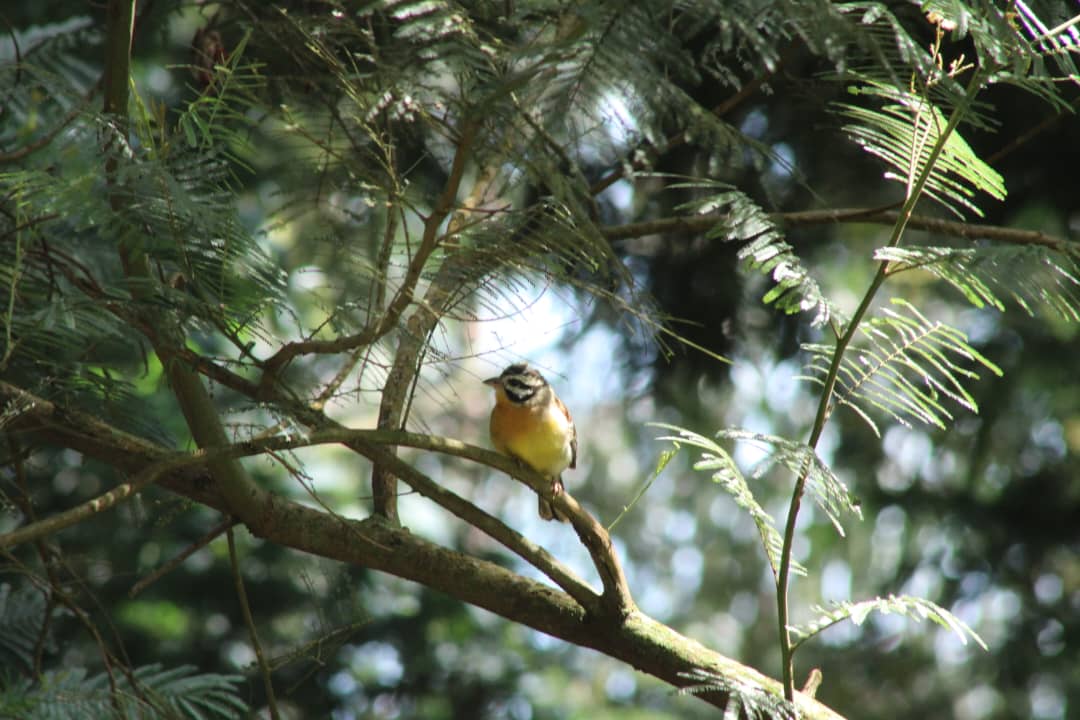
Nestled in Uganda’s southwestern corner, at the border of Rwanda and the Democratic Republic of Congo, Mgahinga Gorilla National Park is Uganda’s smallest protected area (33.7 km²). Though globally renowned for its mountain gorillas and golden monkeys, it’s also a birdwatcher’s dream, home to approximately 180 bird species, including 14–17 Albertine Rift endemics

Why Mgahinga Is a Birder’s Paradise

Mgahinga’s charm lies in its altitudinal and habitat diversity. Spanning from 2,227 m to 4,127 m across three dormant Virunga volcanoes (Mount Sabinyo, Gahinga and Muhabura), the park boasts several distinct ecological zones: montane woodland, bamboo forest, evergreen montane forest, ericaceous, and afro alpine moorland with giant lobelias and heathers. Each zone attracts different bird communities, providing superb variety within a compact area.
Albertine Rift Endemic Gems

Mgahinga shelters rare endemic species, making it a must-visit on any African birding safari:

  1. Rwenzori Turaco: A dazzling green-and-red turaco found in bamboo and montane forest 2,700 m altitude.
  2. Rwenzori Batis: A sleek, black-and-white insectivore seen in dense canopy at 1,340–3,300 m
  3. Abyssinian Ground-Thrush: A shy, orange-throated forest dweller endemic to Albertine Rift
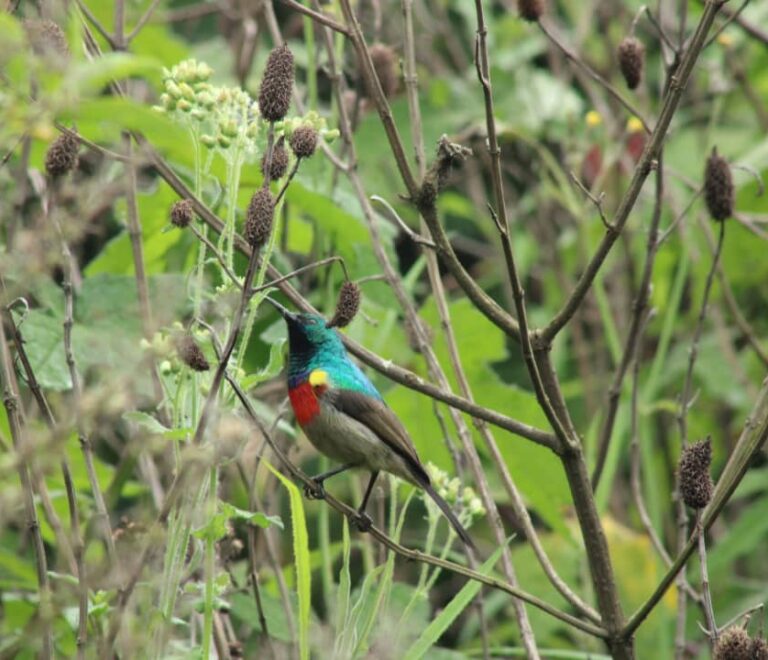
  4. Dusky Crimson-wing, Handsome Spurfowl, Ruwenzori Nightjar, Archer’s Robin-Chat, Regal Sunbird, and Red-throated Alethe provide colorful highlights

Birding Hotspots & Trails in Mgahinga Gorilla National Park

Sabinyo Gorge Trail (Main Trail)

  • Distance: 6–14 km
  • Habitats: bamboo, montane forest, gorge waterways
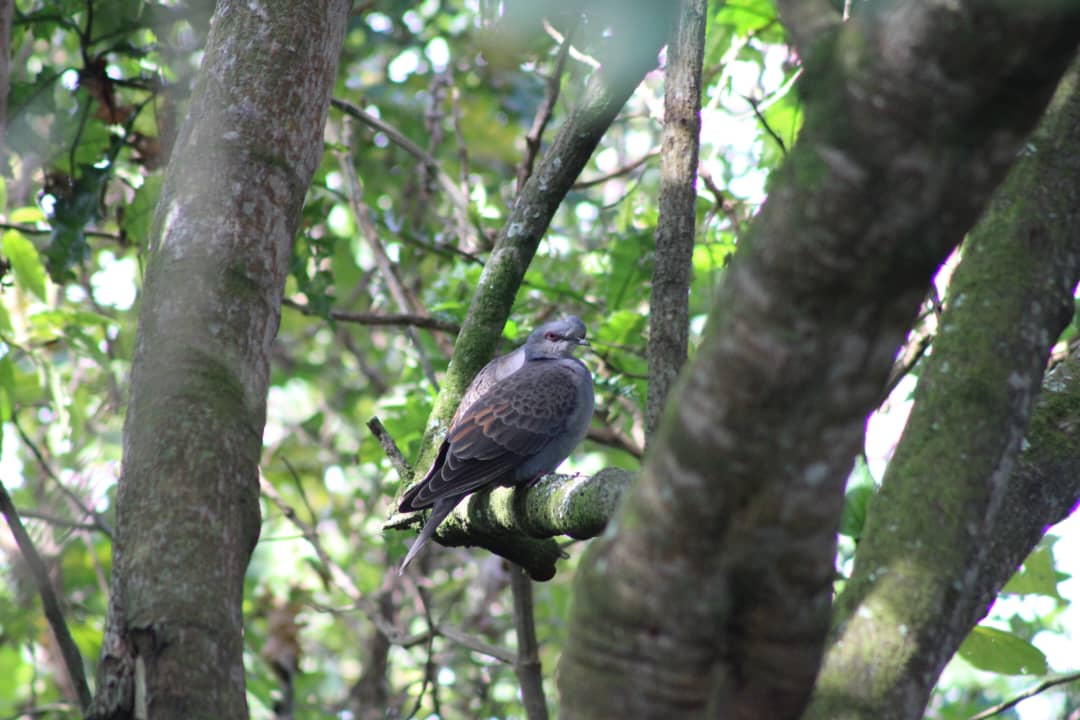
  • Notables: Rwenzori Batis, Rwenzori Turaco, Stuhlmann’s Sunbird, Blue-headed Sunbird, Bronze Sunbird, Stripe-Breasted Tit, Kandt’s Waxbill, Abyssinian Ground-Thrush, Dusky Turtle-Dove

Bamboo Trail

  • Altitude: 2,500 m
  • Target species: Rwenzori Turaco, Dusky Crimson-wing, Lagden’s Bushshrike, Doherty’s Bush-shrike, Red-faced Woodland Warbler

Buffalo Wall / Edge Walks

  • Elegant views across cultivated plateaus
  • Look for: Cinnamon-chested Bee-eater, Chubb’s Cisticolas, Banded Prinia, White-eyed Slaty Flycatcher, Dwarf Honeyguide.

Border Trail

  • Along the DRC boundary
  • Key sightings: Doherty’s Bush-shrike, Chubb’s Cisticola, Banded Prinia, Red-faced Woodland Warbler

Best Time for Birding

  • Dry seasons: Late May-Early August – dry trails and nesting birds make these prime months
  • October-November: Least rainfall, but cooler – still a quality time to explore.
  • Nov–Apr: Good for migrants (European/Palearctic species)

Bird List Highlights

Beyond endemics, expect sightings of:

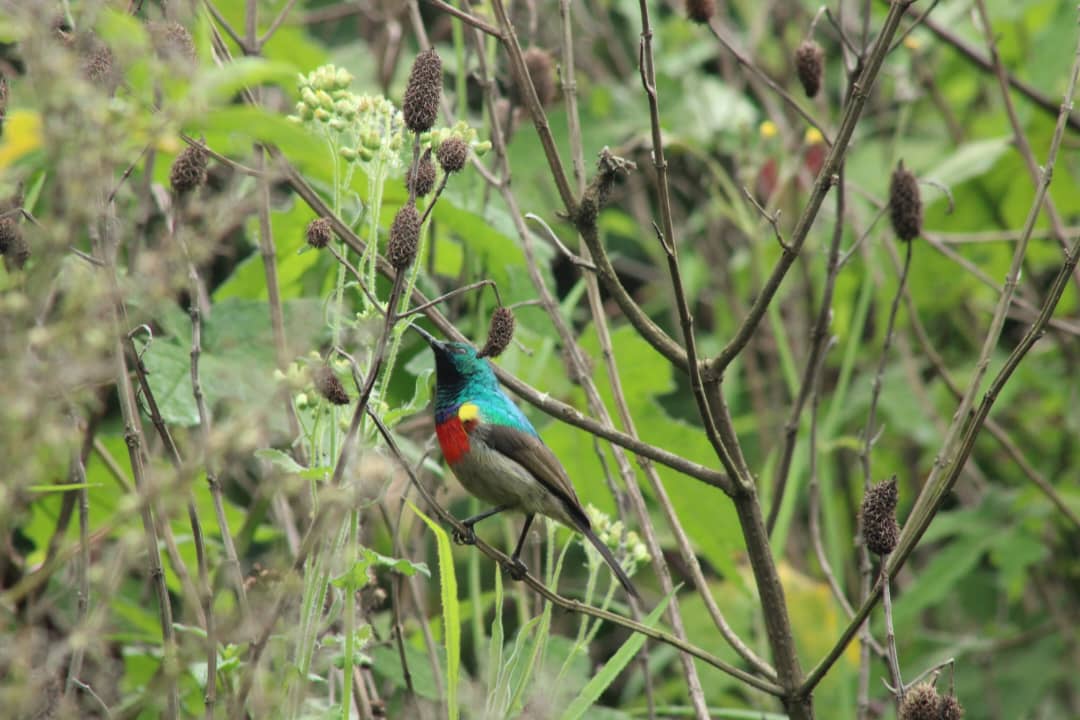
  • Sunbirds: Red-tufted, Double-collared, Regal
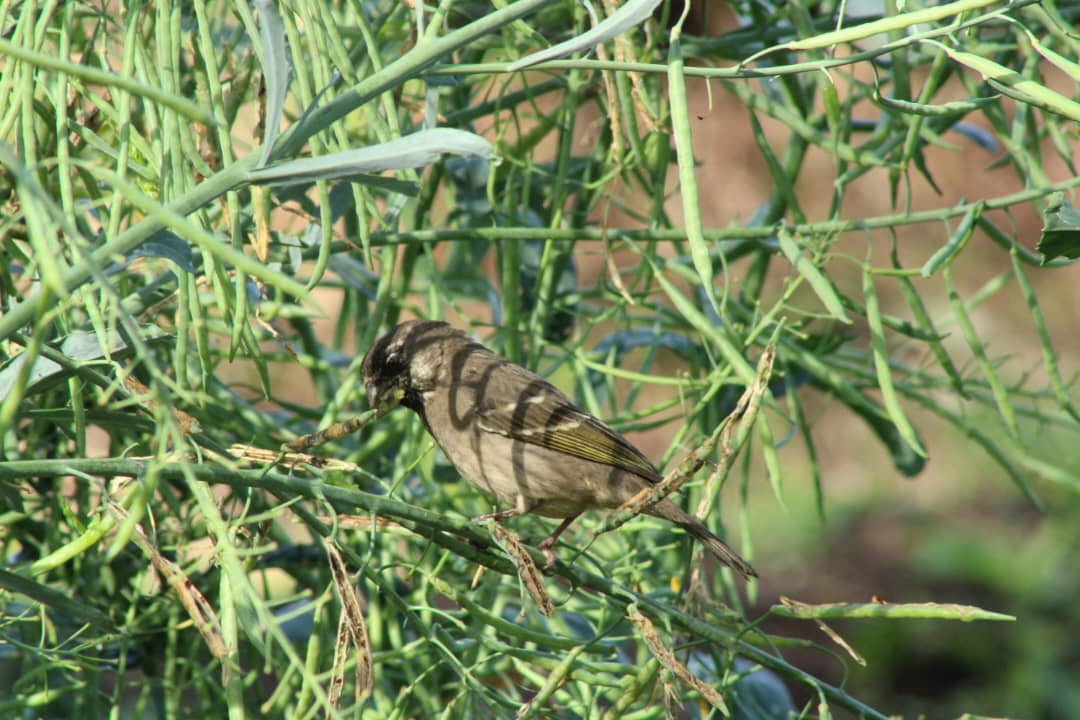
  • Waxbills: Kandt’s, Yellow-bellied, common, Black crowned.
  • Chats & Thrushes: Abyssinian, Archer’s, Cape Robin-Chat
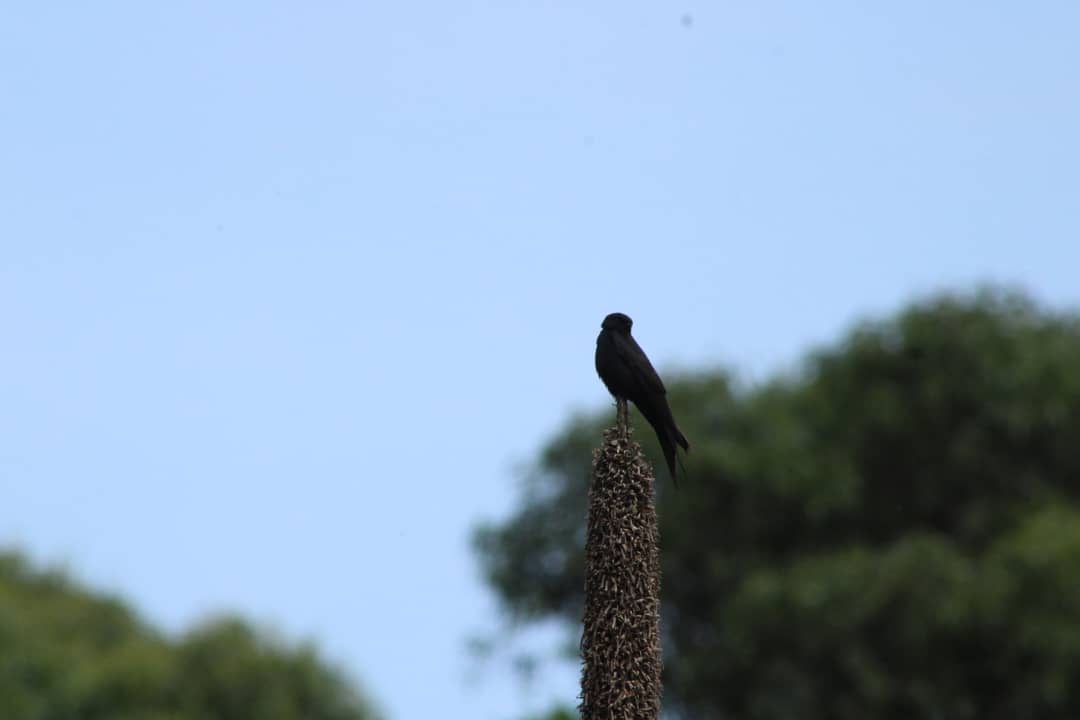
  • Raptors: Black Kite, Mountain Buzzard, Little Sparrow hawk
  • Flycatchers & Babblers: Paradise Flycatcher, Rwenzori Hill Babbler
  • Others: Cinnamon-chested Bee-eater, Familiar Chat, Chubb’s Cisticola, Fire-Finch Stonechat.

Planning Your Birding Safari

Guides: Local birding guides from the community around the park and Uganda Wildlife Authority offer expert-led tours .

Gear Tips:

  • Binoculars (8×42 or 10×42).
  • Sturdy boots, waterproof layers (for trails and early morning/afternoon chill)
  • Trail snacks and water for day hikes

Combining Activities:

  • Birding blends seamlessly with other Mgahinga experiences: gorilla & golden monkey trekking, volcano hikes (Sabinyo, Gahinga, Muhabura), and Batwa community trails


Conservation & Community

Birding in Mgahinga supports conservation of unique Albertine Rift habitats and uplifts local communities. Many bird guides are trained locals who benefit from tourism.

In just 33.7 km², Mgahinga packs an astonishing birding punch- from lowland edge species to high-altitude endemics. Its compactness means less travel time and more wildlife encounters. Whether you’re photographing the Spectacular Rwenzori Turaco or following the soft calls of warblers, this is a destination where every bird enthusiast thrives. Best experienced in April–September or October–November, it delivers unforgettable birding combined with cultural richness and forest adventures.